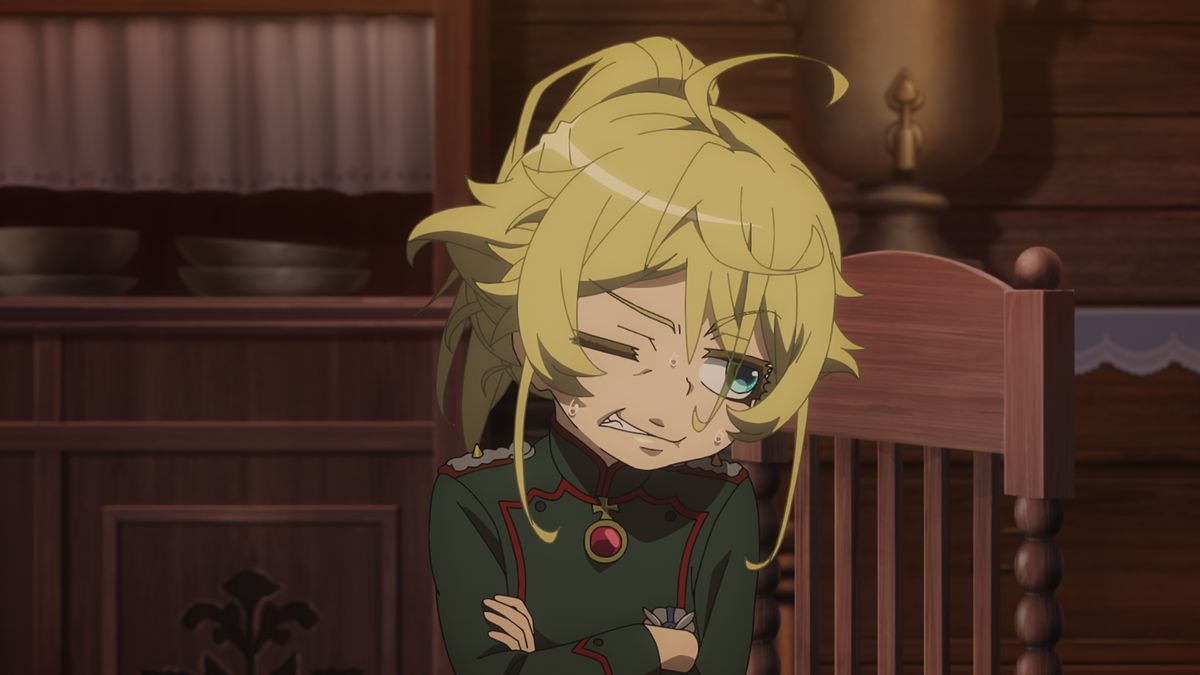

この記事は『幼女戦記Ⅱ』に寄せられた海外の反応をまとめたものです。 作品の権利は (C)カルロ・ゼン/KADOKAWA/幼女戦記Ⅱ製作委員会 に帰属します。 画像は引用元のスレッドに投稿されたもので、 本編の場面と公式素材には出典を添えています。 出典の無いものは投稿者によるファンアートです。
彼のやり方は毎回同じで、作中の出来事が世界大戦の描き方として「筋が通っているか」を一つずつ確かめていきます。ただし最初に、ターニャの世界が現実と違うこと自体は批判の理由にしない、と断っています。そのうえで話は、訓練の足りない戦闘団、東部戦線の広さ、三号戦車、ドングリのコーヒー、観戦武官、教会への砲撃と、あちこちへ広がっていきました。
この回の見どころは、歴史家が読者に史実で訂正される場面です。粛清から軍に戻されて活躍した将軍の例としてジューコフを挙げたところ、読者が次々に経歴を持ち出し、本人が追記で認めることになりました。
全体で113件。話の流れで10章に分けました。見出しに(軍事史家)と付いているのが例の人物の発言です。
『幼女戦記Ⅱ』を読む
 原作小説 1巻
 アニメの続きは
 コミカライズ 1巻
Amazonで見る:幼女戦記 1巻/幼女戦記 11巻/幼女戦記 コミック1巻/Kindle 版
楽天で見る:幼女戦記 1巻/幼女戦記 11巻/幼女戦記 コミック1巻
※ 表紙は楽天ブックスの商品画像です
訓練が足りないまま、戦闘団は前線へ
歴史家が引く第一次イーペルの戦い(1914年秋)では、ドイツが訓練の浅い学生志願兵の部隊を突撃させて大損害を出し、のちに『イーペルの子供殺し』と呼ばれました。
見ていくのは、この話が世界大戦の描き方として「筋が通っているか」だ。断っておくが、ターニャの世界も、その世界大戦も、我々のものとは違う。
What I'm going to look at is how well this episode passes the "sniff test" for how a world war works. And here we get to what will be a standard disclaimer: Tanya's world is not our world, her world war is not either of ours.
ターニャの戦争で起きたことが我々の戦争では起きなかった、あるいはその逆でも、それ自体は批判の理由にならない。
Something happening in Tanya's war that didn't happen in ours (or vice versa) is NOT by itself cause for criticism.
塹壕戦とターニャの世界の話を書いてた人と同じ?どっちにしろ毎週楽しみだよ。この作品の戦争は驚くほど面白い、狙いがターニャを苦しめることだけでも。
Are you the same guy who wrote on trench warfare vs Tanya's world? Either way, looking forward to weekly write-ups, warfare in this series is amazingly fascinating, even if the main point of it is to only make Tanya suffer.
冒頭、ターニャの戦闘団は手こずり、基本的な失敗を重ねる。これは筋が通る。消耗は負けている側に訓練を削らせ、頭数のためだけに新兵を戦場へ送らせる。
We start with Tanya's combined arms unit getting into a lot of trouble, and making a lot of basic mistakes. This passes the sniff test. Attrition can put the losing side into a situation where they're shortening training, or putting a class of recruits into the battlefield just to have warm bodies there to fill in the ranks.
第一次大戦の最悪の例は1914年8月以降だ。消耗で新兵を投入するしかなく、第一次イーペルでは戦術が基本まで落ちた。ドイツで「無垢なる者の虐殺」と呼ばれた。
The worst case of this in WW1 arguably happened after August 1914, where the attrition on all three sides was so bad that the level of tactics dropped to sheer basics for the First Battle of Ypres, just because raw recruits had to be pressed into action (on the German side, this became known as "the slaughter of the innocents").
消耗こそが、兵が戦闘訓練を終える前に前線へ急がされてる理由なんじゃないの?
Wouldn't attrition be the reason these soldiers are being rushed to the front prior to receiving full combat training?
必ずしもそうじゃない。前線が悪化してて今すぐ要る、ってこともある。朝鮮戦争の最初の米軍も、名目は訓練済みで、予算削減で訓練も装備も削られてたし。
Not necessarily. It could be the front's condition is developing poorly and they need them there now. It's not uncommon, like the first U.S. forces in Korea were nominally trained but budget cuts had limited that training and their equipment.
出来が悪いのは消耗のせいじゃなくて、一緒に過ごした時間が短くて、諸兵科連合で動いた経験が無いだけだと思うな。砲兵は夜間射撃をちゃんとこなしてたし。
I would not say it's attrition that is causing their poor performance but rather their limited time together and lack of experience working in a specialized combined arms formation. ... the artillery performing well with its night fire.
映画は6月に戦闘団の編成命令で終わって、今期は秋に始まる。集めて訓練する時間は数か月しか無い。損害の水準より、帝国が受けてる圧力の話だと思う。
The movie before this season ends in June With Tanya getting orders to form her Combat Team and this season opens in autumn so she has only had a few months to gather and train them ... it speaks more to the pressure the Empire is under rather than the level of casualties they are suffering just yet.
同意だね。ターニャの新部隊は明らかにドイツ国防軍の戦闘団の写しだ。ただ、理論を実践に移すときの皺を伸ばしてくれた、第一次大戦と戦間期の教訓が無いんだ。
I agree with you on this one. ... Tanya's new unit is clearly an allegory to the Wehrmacht's Kampfgruppe except they didn't have the lessons from ww1 or the interwar years to refine the theory and smooth out the wrinkles that always show up when transforming theory into practical applications.
気になるんだけど、戦闘団で歩兵に対してあの砲兵の数って正確なの?砲兵が多すぎる気がした。
I am curious, is the number of artillery compared to infantry accurate for a combat team? I feel like there were too many artilleries
別に問題無いと思ったけどな。ターニャの世界が現実じゃないのは置いといても、第一次大戦は何よりまず砲兵の戦争だった。砲兵が多いのは大いに筋が通るよ。
Well, I didn't see a problem with it. Setting aside the fact that Tanya's world is not our own, WW1 was an artillery war first and foremost, so lots of artillery makes plenty of sense (at least to me).
我々の世界のドイツ帝国陸軍は、好機を追うために命令を無視する裁量を将校に大きく認めていた。ただしうまくいけばの話で、失敗すれば軍法で厳しく裁かれた。
in our world, the Imperial German Army gave a lot of leeway to officers for disregarding orders to pursue an opportunity so long as it worked. If it didn't, the army would throw the book at them.
だから、あの偵察任務と、その後に出た行方不明者へのターニャの反応は、かなり的を射ている。
this brings me to a certain reconnaissance mission that leads to an MIA ... So, Tanya's reaction to the mission and in the aftermath is pretty on point.
「弾性防御」は、言葉から間違っている
「縦深防御」(defence in depth)は陣地を奥行きのある何層にも重ねる考え方で、弾性防御はその上に成り立っています。
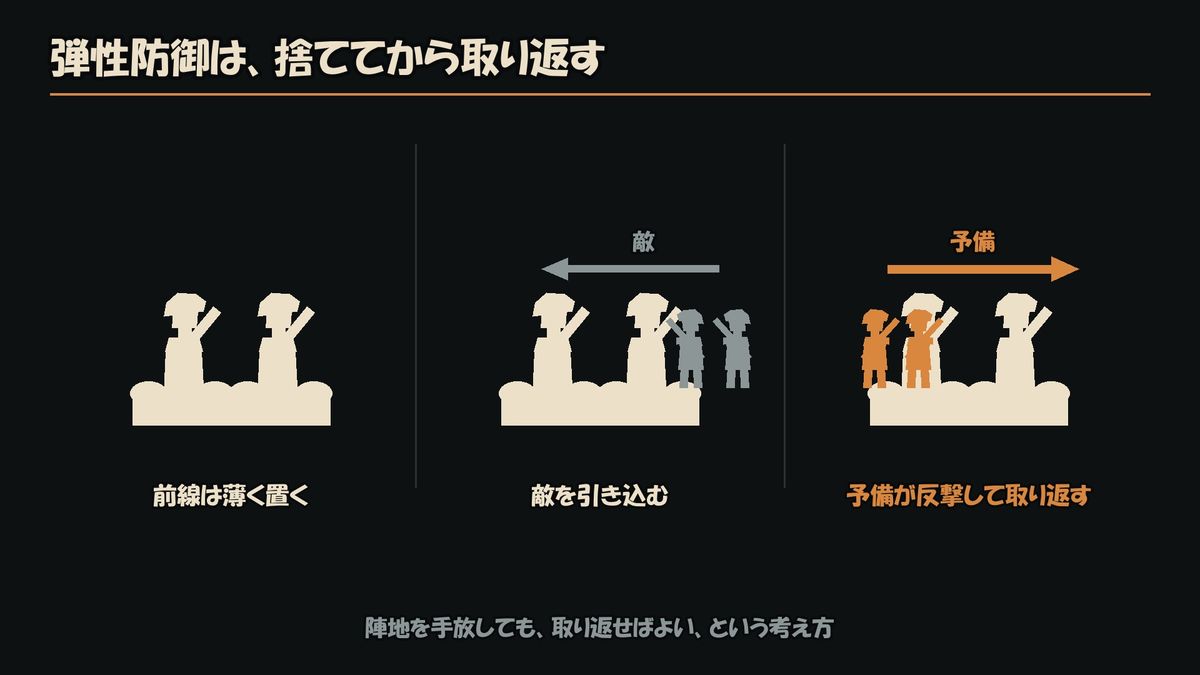
「弾性防御」の用語はひどく誤用されている。翻訳の問題かとも思うが、本来は陣地を放棄し、反撃で取り返すことを認めるものだ。ここでの使い方は間違いだ。
We do have rather bad misuse of the term "elastic defence" (and I wonder if this is a translation issue) - in reality, elastic defence did allow positions to be abandoned as required, to be retaken during counter attacks, so as far as I can tell, the use of the term here is wrong.
翻訳じゃなくて翻案の失敗だね。弾性防御をまるっきり逆にしてる。弾性防御の要は、敵の出方に合わせて曲がったり広がったりする縦深防御を作ることなんだから。
Adaptation failure rather than translation issue. It gets elastic defense exactly backwards; the entire point of elastic defense is to create a defense in depth that bends or expands in response to the behavior of the enemy.
原作で弾性防御が退けられた理由は、歩兵が青すぎて、指揮官の声が届く範囲で一点を守る以上のことができなかったからだよ。
The argument against elastic defense in the [source material]was that the infantry troops were far too green to engage in anything more complex than holding a single point in audible range of their commanding officers.
だからターニャは、いちばん守りやすい線を固めて粘る点防御を選んだ。包囲されて潰される危険はあるけど、選択肢が無かったんだ。
Tanya expected them to do point defense instead, building up and sticking to a specific battleline to allow the infantry to hold as long as possible with the most defensible position. This would leave them vulnerable to being surrounded and destroyed but they didn't really have a choice.
「弾性防御」は「縦深防御」のことじゃないかと思ってた。反撃の前に攻め手をすり減らすための。それとも同じものを別の言葉で呼んでるだけ?
Regarding the "elastic defense" thing, I was thinking it should be more "defense in depth" in order to attrite the attacker prior to a counter-attack, or are these just the same thing with different terms?
一方で正しく描けているのは、第一次大戦のドイツ軍の戦術ドクトリンに実際にあった現象だ。将校には主導性が求められたが、下士官兵には求められなかった。
What this does get right, though, is a phenomenon that occurred with German tactical doctrine in WW1, where officers were expected to show initiative, but enlisted men or common soldiers were NOT
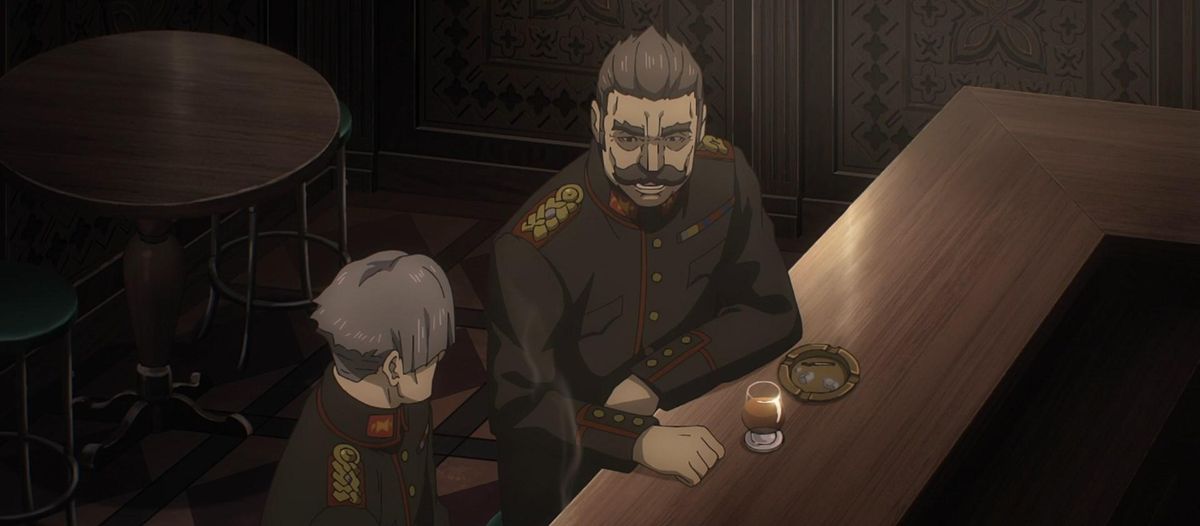
はぐれた兵は最寄りの将校に付いて命令に従う決まりだった。言われるまで塹壕から動かない兵は、我々の世界では期待どおりで、ターニャの世界でも恐らく同じだ。
if they were separated from their unit, they were to attach themselves to the nearest officer and follow orders. So, the men just staying in that trench and not moving out unless an officer told them to is what they could be expected to do in the our world, and quite possibly what they were supposed to do in Tanya's.
粛清された指揮官が、戦場に戻る
この章が、歴史家が読者に訂正される場面です。
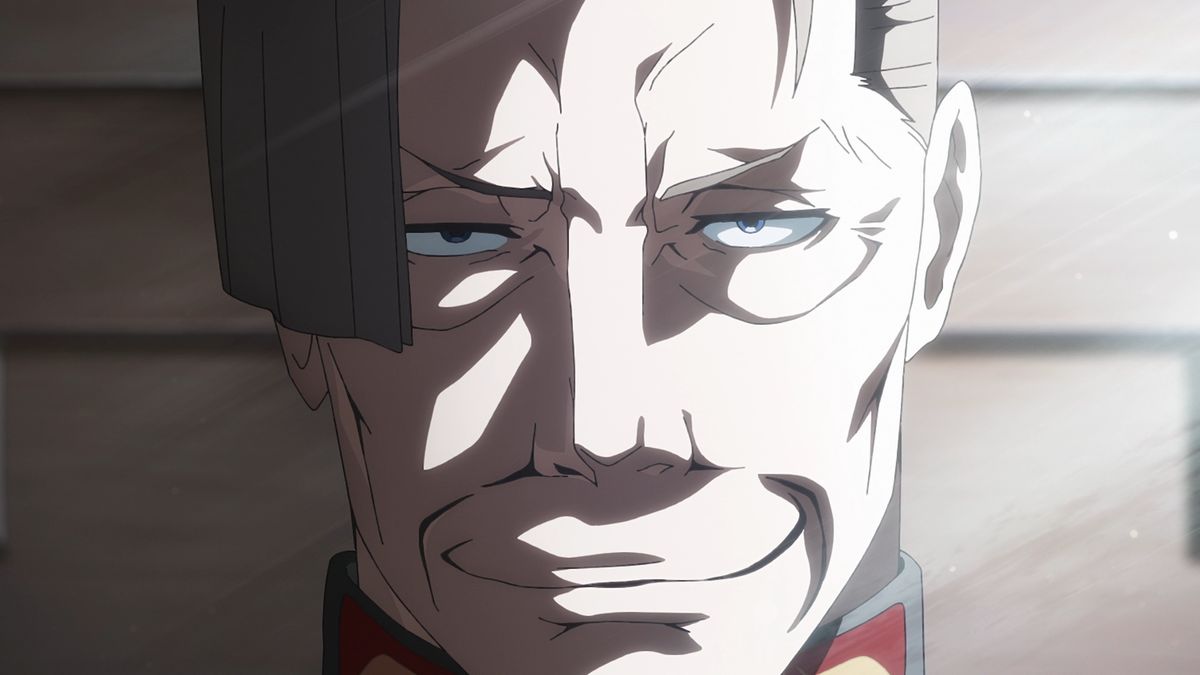
粛清された連邦の魔導師が軍に戻され、戦うことを求められる。これは文句なしに筋が通る。1930年代のソ連軍で、実際に起きたことだ。
The purged commie mages being restored to the army and expected to fight ... This passes the sniff test with flying colours - this actually happened to the Soviet army in the 1930s
将校団は粛清され、多くが収容所へ送られた。ソ連の戦車理論家まで含まれていたので、ソ連の機甲戦は何年も後戻りした。
the officer ranks were purged, many of them were sent to gulags (setting Soviet armoured warfare back by years, as this included the Soviet tank theorists).
ナチス・ドイツとの戦争が始まると、これらの将校は軍に戻され、多くが武勲を立てた。実はジューコフ将軍もその一人だった。
Once the war against Nazi Germany started, these officers were restored to the army, and many of them served with distinction (General Zhukov was one of them, in fact).
ジューコフはその一人じゃないと思う。知るかぎり大粛清には巻き込まれてなくて、当時はまだ出世の途中だった。
I don't think Zhukov was one of them. He was never caught up in the Great Purge to my knowledge, and was still rising through the ranks at the time.
38年から39年には、モンゴル国境で日本軍相手の宣戦なき戦争を指揮してたくらいだ。戦後に権力争いで降格はされたけど、30年代みたいな粛清は受けてない。
He even commanded Soviet forces against the Japanese on the Mongolian border with occupied Manchuria during the undeclared Soviet-Japanese border war that took place from 1938 to 1939. It wasn't until after the war had ended that he was demoted a couple of times in internal government power struggles, but was never fully purged like those that took place in the 1930's.
1930年代の赤軍に重なるって指摘は完全に正しい。でもジューコフは粛清も収容所送りもされてない。上官の多くが処刑されて、皮肉にも昇進が早まったんだ。
You are absolutely right that this matches the historical context of the Red Army in the 1930s, but General Zhukov was actually never purged or sent to a gulag. While many of his superiors were executed (which ironically accelerated Zhukov's promotion), Zhukov managed to survive the Great Purge without being arrested.
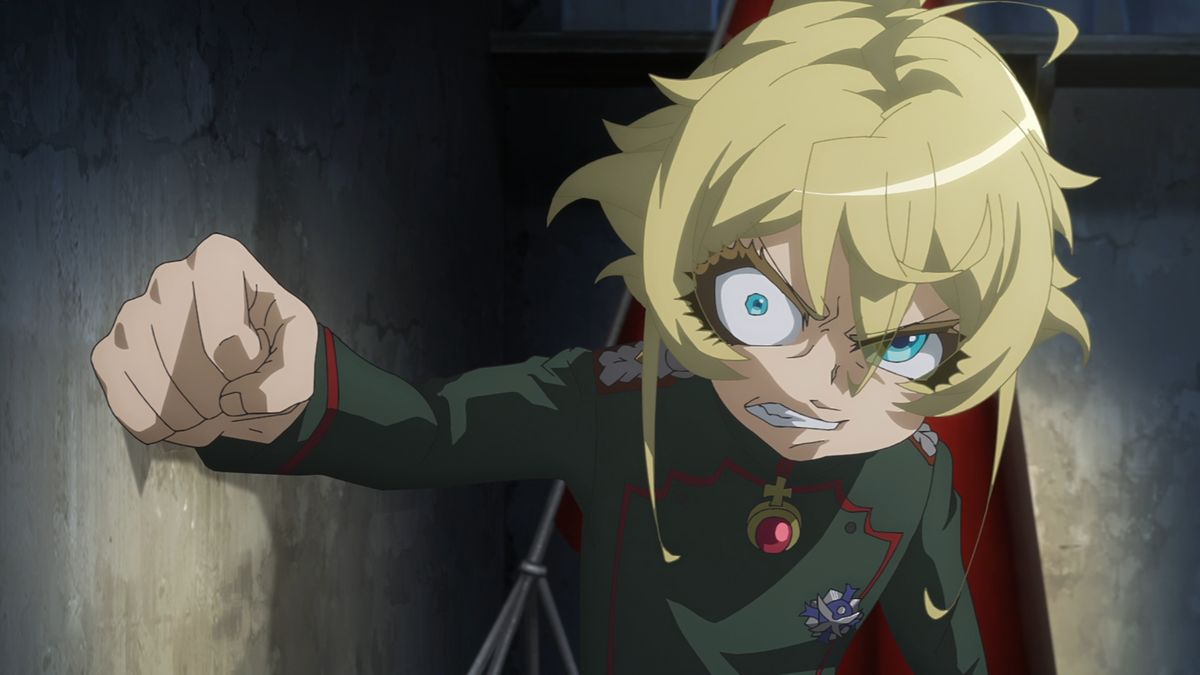
思い浮かべてるのはロコソフスキーだね。粛清で逮捕・拷問・投獄されて、開戦直前に復帰して武勲を立てた。だから対比は完璧で、将軍の名前だけが事実と違う。
The general you are thinking of is Konstantin Rokossovsky. He was arrested, tortured, and imprisoned during the purge, but was reinstated just before the war and served with great distinction. So the Youjo Senki parallel works perfectly, it's just the choice of the general that is factually incorrect.
追記、手短に訂正する。指摘のとおり、ジューコフ将軍が大粛清に巻き込まれたというのは私の誤りだった。考えていたのはロコソフスキーだ。申し訳ない。
EDIT: A quick correction - as somebody pointed out, I was actual wrong about General Zhukov being caught up in Stalin's great purge. The man I was thinking of was Konstantin Rokossovsky. Sorry about that.
連邦がまだ政権を握っていて、戦争中なのにこれだけ盤石なのは、現実の歴史からのかなり大きな逸脱だよ。第一次と第二次の奇妙な混ぜ物だね。
The fact that the "Soviets" are even in power and seemingly as entrenched as they are while still actively in the war is a pretty significant departure from our history. Weird amalgamation of WW1 and WW2.
東部戦線は、広すぎて速さが効かない
終わりに出てくる「泥濘の季節」は、ロシア語でラスプーティツァと呼ばれる、春の雪解けと秋の長雨で道が泥になる時期のことです。
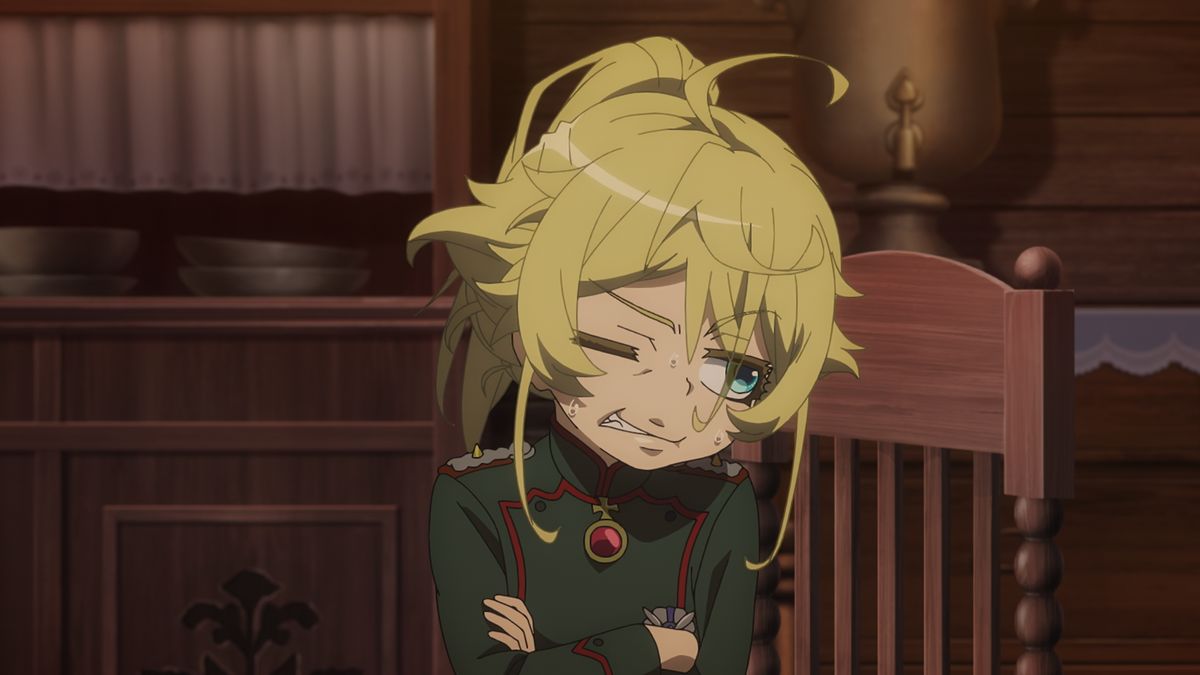
ターニャは東部戦線が広すぎて速さが効かないと言うが、奇妙な愚痴だ。両大戦の東部戦線は西部戦線のようには膠着せず、速さが常に差を生む戦線だった。
Tanya has a statement that the size of the Eastern Front has made their speed ineffective, which is an odd complaint ... The thing about the Eastern Front in both world wars is that it never bogged down the way the Western Front did in WW1 ... it was the front where speed could always make a difference.
広さが生んだ問題は、決定打がほぼ不可能になったことだ。ロシア、作中なら連邦は、常に土地を時間と交換して立て直せる。だから彼女の愚痴は少しずれている。
The problem that the size of the front created was that it made knockout blows almost impossible (the Russians/Federation can always trade land for time and rebuild their forces). So, her complaint is a bit misplaced.
装備については大目に見られるよ。作中では初の世界大戦だけど時代は20年代だし、作者は1でも2でもない「第1.5次大戦」を狙って両方を混ぜたんだと思う。
On the equipment I can excuse it because ... while this is indeed this world's first world war it's taking place during the 20 (23 at the start of the war, 26 during the Eastern front), I think the author was aiming at making it kinda of world war 1.5 instead of 1 or 2, so he mixed a bit of both two make it more fun.
作中ではこれが第一次大戦なんだけど、こっちから見ると第一次と第二次を合わせたものに見える。帝国はナチス・ドイツじゃなくて、帝政ドイツのほうだしね。
this is actually WW1 in universe but to us it more like WW1/2 merge together with stuff from both since the Not-German here are not Nazi Germany but more Imperial Germany
ただの歴史好きのエンジニアだけど。ターニャは現実の歴史を知ってるんだから、この新部隊は電撃戦をやる諸兵科連合部隊だと見ていいと思う。
I'm by no means a historian, just your standard mid 30s engineer with an interest in history podcasts. ... In universe, she she has access to our history I think it's fair to assume this new experimental unit is meant to be a combined arms force utilizing blitzkrieg tactics.
それなら「速さ」の愚痴は、東部戦線が広すぎて電撃戦が効きにくいって意味だよ。独ソ戦もソ連が退き続けて補給線が伸びきり、決定打が無いままモスクワで止まったし。
If we accept that, I think the speed comment is about the relative ineffectiveness of blitzkrieg tactics due to the Eastern front being so vast. ... the Soviets were able to simply keep retreating which stretched the supply lines further and further until inevitably the German advance was stopped in Moscow without ever dealing the knockout blow the blitzkrieg was intended to create.
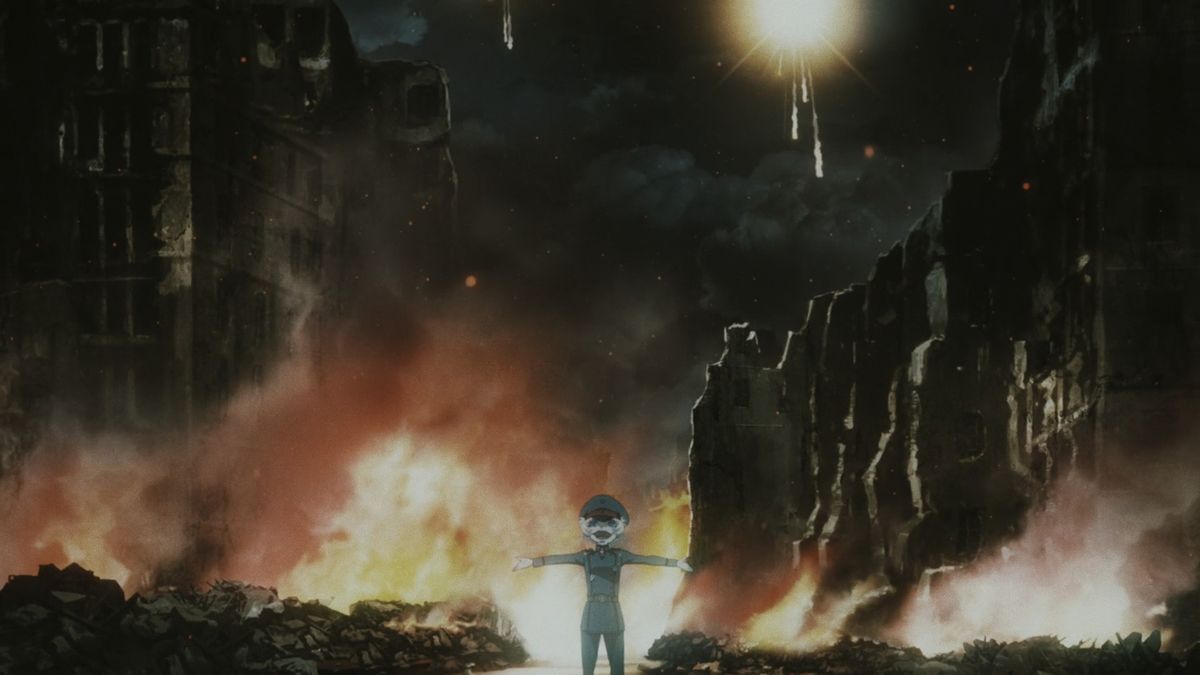
作者は自分で変えた設定を無視して、現実の出来事をなぞりすぎてる気がする。帝国は現実のオーストリア=ハンガリーまで含むのに、あの民族問題が出てこないし。
I had the impression that the writer is following historical events and problems too much, disregarding the changes he made. ... the Empire also includes RL Austria-Hungary, Denmark, the Netherlands, Belgium and Poland without the tensions and issues that RL Austria-Hungary had.
東部戦線は膠着しなかったって言うけど、スターリングラードの防衛は違うの?膠着しなかったなら、第一次大戦の東部戦線はなぜ決定的な結果を出せなかったの?
You say the eastern front never got bogged down; is that not a reasonable description of the defence of Stalingrad? How did the eastern front of ww1 not produce a decisive result if it never got bogged down like the western front?
要は広さと地理だ。第一次大戦の西部戦線はスイス国境から海峡まで塹壕線を引け、両側にそれを埋める兵がいた。東はそれには広すぎ、常に機動戦の余地があった。
Well, it's just size and geography, really. So, in the Western Front of WW1, you had a perfect storm of geography and manpower - it was possible to have a line of trenches from the Swiss border to the English Channel, and enough men to man it on both sides. The East was far too big for this to happen. There was always room for manoeuvre warfare.
スターリングラードは大局で見るべきだ。ソ連側はドイツ軍を釘付けにし、包囲して壊滅させた。包囲戦だが、西部戦線のような終わりの無い相互の包囲戦ではない。
When it comes to Stalingrad, you have to look at the bigger picture. On the Russian side, Stalingrad pinned the German army while the Russians encircled it and then destroyed it. It was a siege, but not an unending mutual siege as you got on the Western Front of WW1.
とはいえ、天候についての彼女の発言はとても正確だ。T-34の履帯があれほど幅広だったのは、泥濘の季節に対処するためでもあった。
That said, her statement on the weather is very accurate (and one of the reasons the T-34 tracks were so wide was to deal with the muddy season).
陣地での防御戦は、両大戦の東部戦線が小出しの攻撃で知られていないぶん怪しい。だが冒頭のとおり、両大戦に似ていないことは批判の理由にならない。
The defensive battle on Tanya's position ... There's a part of me that wants to say that this doesn't pass the sniff test, because in both world wars the Eastern Front really wasn't known for piecemeal attacks ... However, as I said at the top, Tanya's war not resembling WW1 or WW2 is NOT grounds for criticism.
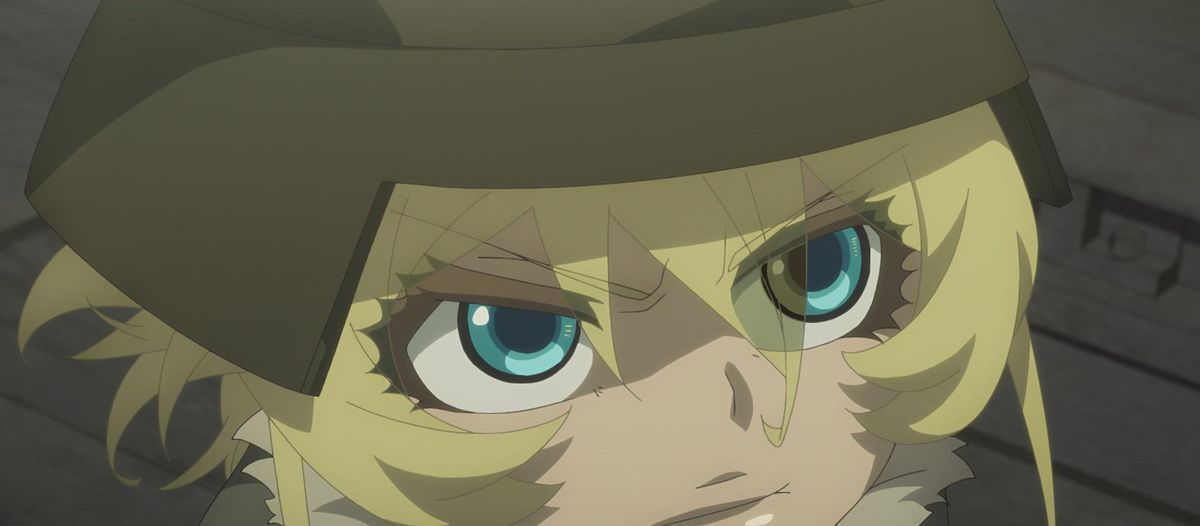
ターニャはこの話で、国境を侵されたって開戦の経緯を自分なりに語るけど、どこまで正確なのかな。「我が軍の力を恐れて攻めてきた!」とセットになってるし。
Tanya provides here own version of how the war starts in this episode saying their borders were violated but I dont know how accurate that statement is given it was also packaged with a "They were afraid of our military might so they attacked us!"
三号戦車は、この世界には早すぎる
章の後半は、戦死者の遺体を故郷へ返すかどうかの話に移ります。
この点で、作品は「筋が通っているか」の検査をある程度通らない。問題は戦車や飛行機の存在ではなく、出てくるのが第二次大戦のものだということだ。
this is one place where to a degree, the show does not pass the "sniff test." The problem is not the presence of airplanes or tanks … The problem is that what we're seeing is WW2 tanks and planes, and Tanya's world would NOT be using those.
理由はあの設計への影響にある。1920年代と30年代の戦間期に大戦の教訓が練られ、将校と理論家が使い方を考え抜いた末の形である。
the big reason comes down to the influences on those tanks and planes, which came out of the interwar period in the 1920s and 30s as the lessons of the Great War were mulled over and officers theorists out how they should be used.
ターニャの世界は最初の世界大戦の最中だ。後の設計への影響はいま起きている。現実の設計は、魔法の攻撃ヘリに当たるものを相手にしていない。
Tanya's world is in the middle of its first world war - the influences on later design are happening, and the our real world designs didn't have to deal with the magical equivalent of attack helicopters.
だから装備はもっと原始的であるべきだ。ターニャの世界の戦車には、はるかに目立つ対空装備が付いていると私は予想する。
So, this equipment should be a lot more primitive, and I would expect the tanks of Tanya's world to have a much more prominent anti-aircraft component.
三号戦車とBT-5が出てきたのは確かにちょっと変だった。でもあれは、アニメーターが軍用車両に詳しくないせいってだけだと思うよ。
I agree that seeing panzer 3s and BT-5s was a bit weird I think that has more to do with the animators lack of familiarity with military vehicles than anything else.
大戦が20年代まで続けば技術は進むけど、出るならシャール・ビーワンやヴィッカース・マーク2だろ。ヴェルサイユ条約のせいで、ドイツは20年代に戦車をろくに作ってないんだ。
Having ww1 go well into the 20s would push the technology fairly quickly … we would be seeing more along the lines of the Char B1s and Vickers Mk2 tanks than panzer 3s. But the Treaty of Versailles really hindered the animators here since our Germany really didn't churn out too many plane and tank designs during the 20s.
帝国の三号戦車は、ターニャが前世の知識で構想したと解釈できる。この作品は多少の時代錯誤には慣れてて、戦利品の短機関銃も6年ほど早いし。
I can excuse the Panzer IIIs on the Empire's side as Tanya using previous-world knowledge to conceptualize far more advanced tanks … Youjo Senki isn't really a stranger towards slight equipment anachronism as Tanya's trophy submachine gun is a SIG MKMS, which wouldn't be put into production in our world for another 6 or so years
そうだけど、技術が同じ方向には進まないって話だと思う。魔導師が飛んでる戦場なら、車載機銃や自走対空車両がもっと出てくるはずだよ。
True but it more has to do with technology not advancing in the same ways. for example with flying mages on the battlefield you would expect to see more pintle mounted machine guns, self propelled anti air vehicles, etc
それに塹壕だらけなら、広い塹壕を越えるために作られた戦間期の設計が有利だ。三号戦車は完全に戦間期の後の設計で、欧州の平原向けで塹壕向けじゃない。
the prevalence of trenches would favor the interwar designs which were made to cross large trenches. The panzer 3 is very much a post interwar design meant for the plains of Europe not trenches.
混ざってるんだよ。政治と戦術は第一次大戦の国に近くて、技術は第二次大戦寄り。
It's a blend. The politics and tactics are closer to WW1 nations, tech is closer to the WW2 side.
戦死者を返さない件は文句なく筋が通る。大戦の戦場では遺体を見つけるのが難しく、近くに仮の墓地を作る以外のことをする時間が軍に無かった。
Absolutely passes the sniff test. … how difficult it can be to locate bodies on a WW1 or WW2 battlefield, and the sheer lack of time an army has to do anything other than bury them in a makeshift cemetery nearby.
本格的な議論は第一次大戦後に起きた。何百万人もが故郷から遠い欧州の墓地に眠っている。だが一国が返せば、全部の国が返せる前例になる。
the big discussion of repatriating bodies happened after the First World War … millions of men were buried far from home in cemeteries in Europe. However, if one nation repatriated its dead, then it set a precedent where ALL could.
その混乱を避けるため、戦死者は一人も返さず、各国の墓地は必要に応じて統合すると決められた。これが戦争の人的な代償だ。描かれてよかった。
in part to avoid the chaos this would cause, the decision was made that no war dead would be repatriated, and each nation's cemeteries would be consolidated where needed. … This is the human cost of the war, right there. I'm glad it showed up.
ドングリのコーヒーと、封鎖されない帝国
後半の「旗の下に集まる」は、外からの脅威を前に、国民が政府のもとへまとまる現象を指します。
今回は戦術より外交の話が多いが、それも戦争の一部だ。まず破壊工作で悪化した補給不足から。これは確実に起きるが、私はコーヒーの話をしたい。
Not as much tactical stuff to talk about this episode, but lots of diplomacy, and that has its part in warfare as well. … We start with the problem of supply shortages made worse by sabotage, and this absolutely happens. … I want to talk about coffee
この作品がまだ一度も触れていないのが封鎖だ。帝国は間違いなく封鎖を受ける状況にあり、それは前線と銃後の両方に途方もない欠乏を起こす。
the one thing they haven't mentioned in this show is blockades, and this is absolutely a scenario where the Empire would be under one, which would cause tremendous shortages both in the field and on the home front.
現実の大戦でも、ドイツ封鎖の犠牲の一つがコーヒーだった。穴を埋めるためにドングリでコーヒーもどきを作ったが、どうやら相当ひどい味だった。
in our Great War, one of the casualties of the blockade against Germany was coffee - Germans ended up making this sort of coffee out of acorns to fill the gap, which was apparently pretty terrible.
いつかレシピを探し出して試してみるつもりだ。私はマゾヒストなのだろうか。
(And one of these days, I'll track down a recipe and try it...because I'm a masoschist?)
レシピなら一つ手に入るかも、覚えてたらだけど。うちに第二次大戦のドイツ料理の本があって、たしか「コーヒー」のレシピもあったはずだよ。
I might be able to get you one, hope I remember. We got a book with German WW2 recipes at home and I'm pretty sure it also had one for "coffee"
ドングリコーヒーのレシピ。「ドングリを蓋をした鍋で皮が楽にむけるまで熱し、温かいうちに挽く。挽いたものを熱い鍋で炒って、コーヒーと同じように淹れる」
recipe for acorn coffee "Heat acorns in a closed pan (lid on I guess) until you can easily peel them. Grind them while they're still warm. Roast the ground acorns in a hot pan. Brew them like coffee."
出典は『リーナおばさんの戦時料理の本』。ちゃんと本の番号も付けておくよ。
From "Tante Linas Kriegskochbuch" (ISBN-13 978-3828910393)
祖国のために戦うとき、人は政治の主人からの多くを我慢する。共産党を憎みながらロシアのために戦うのは、第二次大戦の赤軍ではありふれた経験だった。
People will tolerate a lot from their political masters when they have to fight for their homeland, and hating the Communist Party while fighting for Russia was a pretty common experience in the Red Army in WW2.
収容所で餓えた将校が戻って抜群の働きをした。「旗の下に集まる」現象という。ただし、どちらがより大きな悪かを民衆がどう感じるか次第だ。
Officers who had literally been starved in gulags would come back and serve with distinction. I believe it's called the "rally to the flag" phenomenon. … it really depended on the populace feeling as though one side was a greater evil than the other.
チャーブルの思惑は、成り立たない
ブレスト・リトフスク条約は1918年にドイツとロシアのボリシェヴィキ政権が結んだ講和で、ロシアは広い領土を手放しました。「14か条」は同じ年に米大統領ウィルソンが示した講和の原則で、民族自決を掲げています。
これも筋が通る。傀儡政権は新しくない。ナポレオンもスペインで試したはずだ。ただ第一次大戦で現れた側面を、作品が掘っていないのは惜しい。
Another thing that passes the sniff test. Puppet governments are nothing new (I think Napoleon tried to implement one in Spain). There are dimensions to this, particularly that appeared in the First World War, that this show isn't exploring, which is a pity.
ドイツ帝国はブレスト・リトフスク条約の交渉で、東部戦線の多くの民族の主権に向けて動いた。だが「友達を作る」ためではほとんどなかった。
Imperial Germany did work towards national sovereignty of a number of ethnicities on the Eastern Front during the negotiations for the Brest-Litovsk treaty, but very little of it was due to an effort to "make friends".
狙いは2つ。ロシア帝国からできる限り切り取り、戦後の復活を防ぐこと。そしてウィルソンの14か条に沿った講和で、ドイツを分別ある側に置くことだ。
it really came down to two pieces of grand strategy: the first was to carve as much out of the Russian Empire as possible and prevent their resurgence after the war; the second was to position Germany as the reasonable party for peace talks based on President Wilson's 14 points
フランスとベルギーには何の配慮も無かった。民族自決の考えは大戦後の敗戦国に大きな災いを生み、東欧の民族紛争が第二次大戦への道を作った。
Germany held no such considerations for either France or Belgium … This idea of self-determination caused a LOT of trouble in the defeated nations after WW1. … in Eastern Europe there was a level of unprecedented ethnic strife that helped create the lead-up to the Second World War.
連合王国は「悪魔」と組みつつ、連邦と帝国の共倒れを望む。連邦は連合王国が敵でなく味方なら満足だ。半分は筋が通り、半分はまるで通らない。
We see a situation between Tanya's version of Britain and Russia where Britain is happy to ally with the "devil" while hoping that the Federation and the Empire just wipe each other out, while the Federation is happy to have Tanya's version of Britain on their side … Half of this passes the sniff test, while half of it really doesn't.
ソ連が便宜上の同盟で時間を稼ぐのは思想の一部だ。資本主義との大戦争は避けられないが、準備が整うまで先でいい。独ソ提携もその時間稼ぎだ。
The Soviets playing for time through alliances of convenience was part of their ideology. Marxism/Leninism held that there would be a massive global war between Communism and Capitalism … once the Soviet Union is properly ready for it. So, the Nazi-Soviet partnership on the Russian side was very much Stalin buying time
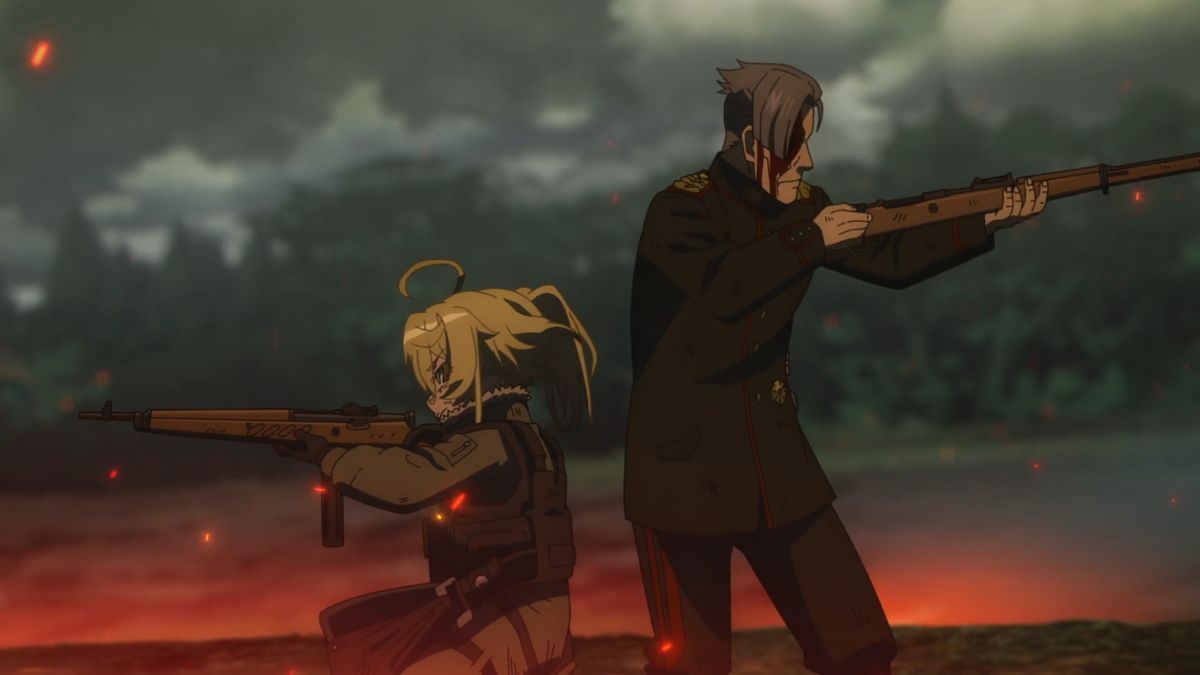
連邦の態度は筋が通る。一方「チャーブル」の態度は通らない。名前は本気なのか。イギリスは何世紀も弱い側を支えて強い側を抑え、欧州の均衡を保った。
this attitude from the Federation makes historical sense … The attitude from "Churbill" (seriously?), on the other hand, does not make sense or pass the sniff test. … for centuries, British alliances in European wars were based on propping up the weaker side to keep the stronger from dominating.
英国の外交政策の何百年もの伝統をもっと深く知りたいなら、80年代のドキュメンタリー『イエス・ミニスター』のハンフリー卿の小演説がいつだって参考になるよ。
For a deeper take on Britain's foreign policy down through the ages there is always this little speech from Sir Humphrey Appleby in the 80s documentary Yes Minister.
連合王国は後で強い連邦と戦いたくないから消耗を望む。それは分かる、一緒に戦う同盟でない限りは。同じ戦争なら、費やすのは自分の資源と借金だ。
Tanya's Britain doesn't want to have to fight a strong Communist Russia later, so wanting them to be worn down makes sense...so long as they aren't fighting together as allies. Once they're fighting together in the same war, it's British resources being expended, British loans being taken out
味方の膝を撃って戦争を長引かせはしない。中立国として脇から見ているなら成り立つ態度だが、交戦国では成り立たない。そして連合王国は交戦国だ。
they're not going to prolong the war by kneecapping their allies. So, this is an attitude that would make sense if Tanya's Britain was watching from the sidelines as a neutral state, but not as a belligerent, and they ARE a belligerent.
正直、あの態度がそこまで変とは思わない。そういう疑いは古代からある。政敵のハンニバルに援軍を送らず、ローマに片付けさせようとした話とかね。
I'm not sure Churbill's attitude is that unbelievable tbh, there are at least allegations of it constantly in warfare from antiquity (deny Hannibal his reinforcements, he's a political rival to us and Rome might take care of him for us …)
スターリンがワルシャワ手前で止まり、ポーランドの味方を見殺しにした話は信じられる。本物のチャーチルも、ガリポリでアンザックの命を捨てたと非難されてる。
I at least find it credible that Stalin halted the advance to Warsaw so his Polish allies would be destroyed, even actual Churchill is accused of wasting lives at Gallipoli because they were Anzac allies rather than British
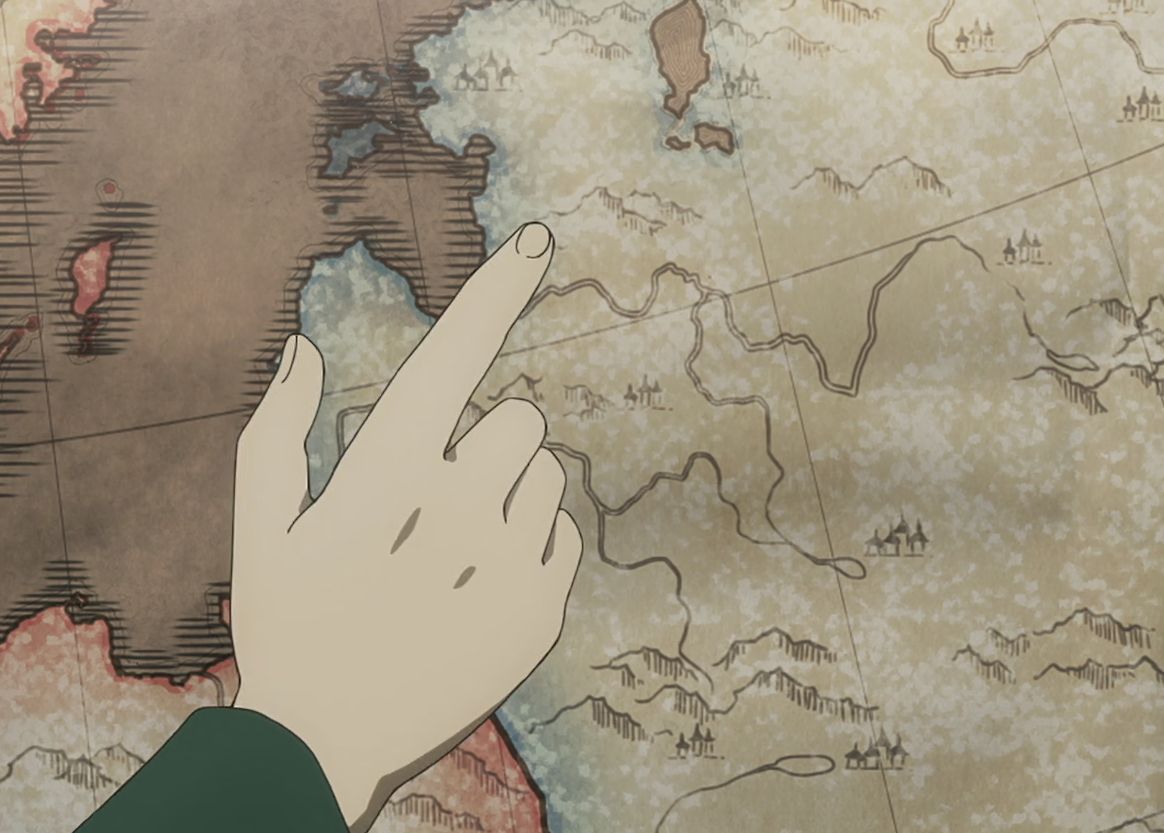
後のほうは眉唾だけど、アニメの中の話なら十分通る。太平洋でも、日本陸軍が海軍をアメリカに潰してほしがってた話はどこにでもある。盛られてるけど。
(I find that less credible tbh … but enough believe it to not be out of place as something that happened in-universe in an anime.) And on the Pacific theatre the idea that the IJA were hoping the Americans would destroy the IJN is definitely prevalent seemingly everywhere, albeit overstated.
コーヒーの件だけど、イルドアはまだ参戦してないみたいだから、帝国へコーヒーを輸入する仲介役になれるんじゃないか。
For the coffee bit, since this worlds version of Italy does not seem to be in the war yet, they could be the middle man for importing coffee into the empire.
観戦武官は、本当にいた
歴史家の答えに出てくる「駐在武官」(military attaché)は、大使館に常駐する武官のことです。
今回はイルドアが仲介役になる話だ。同盟国がそう動くのは通る。アメリカが第一次大戦で試み、同盟国はウィルソン大統領の提案を一目見て断った。
Much of this episode is having Ildoa try to serve as a mediator. … The pass comes from an allied nation trying to take such a step. The United States tried to do it in WW1 (and America's allies took one look at President Wilson's proposals and immediately refused).
イルドアの観戦武官が部隊に加わり、作戦会議に同席する。これは文句なしに通る。他国の観戦武官は第一次大戦の開戦まで、例外ではなく通例だった。
We have an Ildoan observer join Tanya's unit and sit in on tactical discussions, and this passes the sniff test with flying colours. Military observers from other countries were the rule rather than the exception right through to the start of WW1.
要するに「そちらの戦争を見せてくれれば、こちらの戦争も見せる」という取り引きだった。そして観戦武官が邪魔なのも、まったく本当のことだ。
It was very much a quid pro quo: essentially, "you let us watch your war, and we'll let you watch our war." And the observers being annoying is quite real as well.
観戦武官が本当にいたなんて考えたこともなかった。今でもやってるものなのか、知ってる?
I'd never even considered that war observers were a real thing before, do you know if that's still something that's done today
確かではないが、今もあると聞いても驚かない。駐在武官は報道とは違う目で戦いを見るし、次の戦争に備えて戦場の教訓を持ち帰るのが目的だからだ。
I don't know for certain, but it would not surprise me if it was. Military attaches know what to look for when they watch a battle play out in a way that media do not, and the point is to bring back the lessons of the battlefield so that they can be learned for the next war.
第二次大戦で最も愉快な命令は、第3カナダ歩兵師団がブローニュとカレーの包囲戦で彼らを遠ざけたくて生まれた。師団は見物用の観客席を作った。
In fact, what may be the most entertaining orders in the whole of WW2 come about because of the 3rd Canadian Infantry Division wanting to keep them out of the way during the sieges of Boulogne and Calais, so the division set up bleachers for spectators.
そして仕上げに、師団命令には、第3カナダ歩兵師団はその安全について責任を負わない、とはっきり書かれていた。
And, just to cap it all off, the division orders made it very clear that the 3rd Canadian Infantry Division was NOT responsible for their safety.
余談だが、軍用の外套は本当に暖かい。手に入るなら買うといい。私のソ連海軍の外套は極寒用で、マイナス10度より暖かいと溶かされそうになる。
Those military greatcoats are REALLY nice and warm. Get one if you can. Seriously (my Soviet Navy coat is my deep cold weather coat, and it tries to melt me if it's over -10 C).
外套、余裕ができたら一着と思ってた。でもマイナス10度より上では着ないって読んで…オーストラリア住みで、冬でも氷点下すら滅多にないんだよ。
On your comment about the Great Coats. I have often thought of getting one … However, seeing your line about not wearing it if it is above ~-10 Degrees. Yeah, I live in Australia, our winters are very mild
教会を撃つのは、合法か
パッシェンデールは1917年のベルギーでの戦いで、砲撃で村が地図から消えたことで知られます。
眉をひそめる点は2つだけだ。講和条件を兵に聞いて回ることと、観戦武官が町への砲撃に驚くこと。後者は文句なしに通るし、現実の市街戦では日常だ。
the only things that are eyebrow-raising about how this is presented at all is the canvasing for acceptable peace terms …, and the observer's shock at the shelling of a town. … Passes the sniff test with flying colours, and it happens all the time in urban warfare in our world.
戦時法は民間目標を撃つのを禁じるが、軍事に使われた時点で民間目標ではなくなる。病院の地下に司令部を置けば、病院は軍事目標になり保護を失う。
The thing you have to understand about the laws of war is that they forbid attack on civilian targets. However, these cease to be classified as civilian targets if they are being used for a military purpose. So, if, for example, somebody sets up a command post in the basement of a hospital, that hospital gets reclassified as a military target and loses its protection.
つまりターニャは完全に戦時法の範囲内で動いている。現実の例なら第一次大戦のパッシェンデールだ。砲撃が終わる頃、村は消えて十字路だけが残った。
And that means that Tanya is acting perfectly within the laws of war here. For a real world example, take the battle of Passchendaele in WW1 - by the time all the shelling was done, the village had ceased to exist...all that was left was a crossroads.
この戦争の条件って、紳士的な戦争観を持ってた相手が、あのゆるい態度にショックを受けても不自然じゃないくらいのものなの?
Is the conditions of this war … significant enough that the shock of this lax attitude wouldn't be too out of character when dealing with a more gentlemanly view of warfare?
正直、「紳士的な戦争観」は概して神話だと思っている。軍の将校は戦争が何であるか知っていたし、大砲がある限り、都市は昔から砲撃されてきた。
Honestly, the "gentlemanly view of warfare" I've found to generally be a myth. Military officers knew what it was about, and cities were being shelled as far back as there have been cannons to shell them with.
戦時法は第二次大戦後のものだと思ってる人が多いけど、第一次大戦より前からある。ドイツ軍が塹壕ショットガンに文句を言ったミームはそれが元だよ。
No, they predate WW1. It's why there's the meme of germans complaining about trench shotguns.
軍が来る頃には民間人は退去か避難済みだと期待される。それでも市街戦では民間人と兵の死傷者が6対1、10対1以上になることも珍しくない。
There is a general hope that by the time the armies show up to fight, the civilians have left or gone to ground. That said, civilian to military casualties of 6:1 or even 10:1 and above are common in urban warfare.
6対1とか10対1って…正気の沙汰じゃなくない? 規則だの条約だの、散々あるのにさ。
Yikes, that seems...insane? Especially with all the rules and conventions and all that
教会もしょっちゅう撃たれていたが、知る限り狙って撃った者はほとんどいない。砲弾が辺り一面に落ちる中で、たまたま教会に当たった場合が大半だ。
As far as the church goes, that also happened all the time, but very rarely was anybody aiming for the things as far as I know. It was much more a case of bombardments involving shells landing all over the place, and some of them hit the church by accident.
教会は周りで一番高い建物だから、狙撃手や前線観測員に使われるか、使われてると思われる。だから攻める側から見れば「正当な」軍事目標になるんだ。
Because they were often the tallest structures around, churches were often used (or presumed to be used) by snipers and forward observers, thus making them a 'legitimate' military target in the eyes of attacking forces.
なるほどね。でも逆に言えば、取った側に大きな有利をもたらす場所だから、砲撃で潰さなかったってことでもある。
Makes sense. But it also means they didn't use artillery against it because it was a place that offered a great strategic advantage for those that captured it.
教会が軍事目標に変わる話、みんな感情で見て分かってない。連合国も枢軸も、砲撃で他に安全な建物が残らず、教会を使うしかなかった例があったはず。
Especially the church being redesignated as a military target. If I remember right, there were cases where the Allies or the Axis side had to use churches … because there were no other secure spaces left for use due to artillery shelling or bombing.
他に安全な場所が残ってなかったのは、教会が爆撃の目印に使われてたせいでもある。ケルン大聖堂なんて、戦後の街でほとんど唯一残ってた建物だ。
Partly because churches were used as a landmark for bombing raids. For example the Köln cathedral was pretty much the only thing left of the city after WW2.
ロッテルダムで働いてた身として、市庁舎だけが無傷同然なのがずっと謎だった。ドイツの爆撃機が市街地に着いた目印にするため、わざと避けてたんだ。
I, as a Dutchman who worked in Rotterdam for years, always wondered why the historic city hall survived nearly unscathed while the city around it was reduced to ashes. Eventually I learned that German bombers specifically avoided it because it was their navigational guide
兵士に、講和の条件を聞いてはいけない
章の終わりには、2期が原作の何巻分をやるのかという雑談が付いています。
通らないのは、観戦武官が兵士にどんな講和条件なら呑めるかを聞いて回ることだ。そこで語られる感情そのものは、現実にあったものと極めて近い。
The fail comes from having an observer canvasing the soldiers on what terms of peace they'd accept - the sentiments you see expressed are quite accurate to what happened in our world
実際それは、第二次大戦前にナチ党が生まれる一因でもあった。だが停戦に従うかどうかは兵の決めることではないし、意見を聞かれることもない。
(in fact, it's part of what led to the formation of the Nazi party prior to WW2), but whether to obey a cease fire would not be their decision, nor would they be consulted on it.
文字どおり、彼らの身分をはるかに超えた話だ。戦後に終戦を知らない日本兵の例はあるが、軍が悩んだのはむしろ、兵が戦いを拒むことのほうだった。
It would literally be far above their pay grade. And, while you do have cases of Japanese soldiers after WW2 not realizing that the war is over, soldiers refusing to fight was generally the problem that militaries had to worry about
ただ、大筋の状況は通る。現実の第一次大戦でドイツはベルギーを手放したがらず、フランスは一度奪ったアルザスを手放したがらなかった。
the general scenario DOES pass the sniff test. In our real world, Germany in WW1 did not want to give up Belgium, and France did not want to give up Alsace once it had been captured.
だから何百万人も死んだ後、国境を白紙に戻す講和が頭ごなしに拒まれるのは十分あり得る。だが、あの断り文句の言い回しそのものには大いに懐疑的だ。
So, a peace involving a complete reset of borders being rejected out of hand after millions have died in the fighting is quite possible. That said, I am VERY skeptical about the exact wording of the refusal.
「くそでも食らえ」で真っ先に浮かんだのは「ナッツ!」だ。外交の返事としては変だけど、この作品は政府と軍の線引きをあまり気にしてないよね。
My first thought on seeing "Eat s**t" was "Nuts!" It's a weird answer from a diplomat, but this show seems to not really care about the line between civilian government and military.
イルドアが帝国の外交部門じゃなくて、軍の司令部に接触したからだと思う。だから外交官なら絶対に言わない、ぶっきらぼうな返事が軍から返ってきた。
I think it's because Ildoan contacted the Imperial Army command instead of the Imperial diplomatic corps. Thus the army sent a blunt response that a diplomat never would.
冒頭でわざわざ描いてたよね。イルドアは外交官を飛ばして、軍と直接話すと決めたんだって。
They made a point early on in the episode that Ildoan made the decision to skip past the diplomats and discuss directly with the army instead
2期って原作の何巻分やるんだろう。1期と劇場版で4巻くらいだったよね。
Which vol do season 2 is covering I mean how much it will coz 1st season+ movie covered around 4 vol
2期は2〜3巻分だろうね。1期は3巻の大事な所を飛ばしてた気がする。
Season 2 will likely cover 2-3 volumes. Season 1 skipped some major parts in vol 3 i think
今さらこのスレに来たけど、前の見積もりは大外れだったね。6話の時点で5巻から8巻まで進んでる。
I see the previous estimate was way off. As of episode 6 the series has covered volumes 5-8.

あわせて読みたい
『幼女戦記Ⅱ』を読む
Amazonで見る:幼女戦記 1巻/幼女戦記 11巻/幼女戦記 コミック1巻/Kindle 版
楽天で見る:幼女戦記 1巻/幼女戦記 11巻/幼女戦記 コミック1巻
※ 表紙は楽天ブックスの商品画像です
管理人の解説
解説1 >>1 のコメント
「見ていくのは、この話が世界大戦の描き方として「筋が通っているか」だ。断っておくが、ターニャの世界も、その世界大戦も、…」
原文は sniff test(匂いの検査)。食べ物を鼻に近づけて傷んでいないか確かめる仕草から来た英語の言い回しで、細かく調べる前の、ざっと見てもっともらしいかどうかの確かめ方を指します。報道や政治の話でもよく使われる言葉です。この連載では毎回これが物差しで、「passes the sniff test with flying colours(文句なしに通る)」のように判定が下されます。flying colours は、戦いに勝った軍艦が旗を掲げたまま港へ戻る姿から来た表現で、colours と英国式に綴っているのは、カナダで学んだ書き手らしいところです。
解説2 >>7 のコメント
「必ずしもそうじゃない。前線が悪化してて今すぐ要る、ってこともある。朝鮮戦争の最初の米軍も、名目は訓練済みで、予算削減…」
朝鮮戦争の最初の米軍というのは、1950年7月、日本での占領任務から急いで送り込まれた「スミス支隊」(Task Force Smith)のことです。訓練も装備も足りないまま北朝鮮軍の戦車とぶつかり、烏山(オサン)で押し戻されました。アメリカ陸軍ではその後、「No more Task Force Smiths(二度とスミス支隊を出すな)」が、平時に予算を削って備えを落とすことへの戒めとして繰り返し語られています。英語圏の読者が「訓練の足りないまま前線へ」と聞いて、真っ先に思い出す例の一つです。
解説3 >>16 のコメント
「翻訳じゃなくて翻案の失敗だね。弾性防御をまるっきり逆にしてる。弾性防御の要は、敵の出方に合わせて曲がったり広がったり…」
英語圏のアニメ好きの多くは、配信の英語字幕で作品を見ています。そのため、台詞がおかしいと感じると、まず字幕の訳が悪いのではと疑うのが習い性になっています。この読者が分けているのはそこで、translation(字幕の翻訳)ではなく adaptation(原作小説をアニメにするときの脚色)の失敗だ、と言っています。英語のアニメ談義では、adaptation はアニメ化そのものを指す言葉としてよく使われ、原作のどこまでを、どう削って映像にしたかを論じるときの決まり文句です。
解説4 >>20 のコメント
「一方で正しく描けているのは、第一次大戦のドイツ軍の戦術ドクトリンに実際にあった現象だ。将校には主導性が求められたが、…」
英語圏の軍事好きのあいだでは、ドイツ軍は現場の判断に任せる軍だった、という評判が根強くあります。ドイツ語の Auftragstaktik(任務戦術)がそれで、1980年代以降、アメリカやイギリスの軍も「ミッション・コマンド」という名でこの考え方を取り入れてきました。歴史家がここで言っているのは、第一次大戦の時点ではその裁量が将校のものだった、という点です。原文の enlisted men は、英語で将校でない兵をまとめて呼ぶ言葉で、将校と兵の線引きをはっきり意識した言い方になっています。
解説5 >>28 のコメント
「思い浮かべてるのはロコソフスキーだね。粛清で逮捕・拷問・投獄されて、開戦直前に復帰して武勲を立てた。だから対比は完璧…」
英語圏でソ連の将軍といえば、まずジューコフの名前が挙がります。独ソ戦の主な戦いの多くに関わり、ベルリンまで攻め上った人物として、欧米の戦史の本に最もよく出てくるソ連軍人だからです。一方のロコソフスキーは、1937年に逮捕されて獄中で拷問を受け、1940年に釈放されてから前線に戻った将軍です。1945年の対独戦勝パレードでは、ジューコフが閲兵し、ロコソフスキーが部隊を指揮しました。原文の The general you are thinking of(思い浮かべてるのは)は、相手の記憶違いを責めずに正す、英語の掲示板でよく見る言い方です。
解説6 >>29 のコメント
「追記、手短に訂正する。指摘のとおり、ジューコフ将軍が大粛清に巻き込まれたというのは私の誤りだった。考えていたのはロコ…」
Reddit では、書いた後で内容を直すときに、本文の末尾に「EDIT:」と付けて追記するのが作法です。間違いを黙って書き換えたり投稿ごと消したりすると、後から来た人には、指摘した返信が何に向けられたものか分からなくなるので嫌われます。as somebody pointed out(指摘のとおり)と相手の手柄を認め、最後に謝るところまで含めて、きれいな訂正の型になっています。歴史の質問に専門家が答える r/AskHistorians のような場では特に、出典と訂正の扱いが厳しく見られています。
解説7 >>35 のコメント
「ただの歴史好きのエンジニアだけど。ターニャは現実の歴史を知ってるんだから、この新部隊は電撃戦をやる諸兵科連合部隊だと…」
原文の I'm by no means a historian(歴史家ではまったく無い)は、英語圏の掲示板で専門外の人が口を挟むときの定番の断り方です。そこに「歴史のポッドキャストが好きな」と付くのも典型的で、英語圏では何時間もある長尺の歴史ポッドキャストが広く聴かれています。代表格のダン・カーリンの『Hardcore History』には、第一次大戦を扱った『Blueprint for Armageddon』や、独ソ戦を扱った『Ghosts of the Ostfront』があります。こうした番組で戦史に親しみ、電撃戦や東部戦線を語る人は珍しくありません。
解説8 >>48 のコメント
「三号戦車とBT-5が出てきたのは確かにちょっと変だった。でもあれは、アニメーターが軍用車両に詳しくないせいってだけだ…」
三号戦車(Panzer III)とBT-5は、英語圏の戦車好きには一目で見分けの付く車両です。第二次大戦の戦車は『World of Tanks』のような戦車ゲームや模型で覚えた人が多く、形を見ればどの国のいつの型かが分かる人が掲示板に大勢います。BT は「快速戦車」を意味するロシア語の略で、1930年代のソ連を代表する軽快な戦車でした。この読者はそうした目で見て違和感を持ちつつ、考証の問題というより、アニメーターが軍用車両に詳しくなかっただけだろう、と受け流しています。
解説9 >>56 のコメント
「その混乱を避けるため、戦死者は一人も返さず、各国の墓地は必要に応じて統合すると決められた。これが戦争の人的な代償だ。…」
戦死者を故郷へ返さないという方針は、英連邦では1917年にできた帝国戦争墓地委員会(今の英連邦戦争墓地委員会)の決まりとして知られています。将校も兵も同じ形の墓石で、戦場の近くに並べて葬る、というものです。書き手が学んだカナダでも、フランスやベルギーにある自国兵の墓地は、戦争の記憶の中心にあります。11月11日の戦没者追悼の日に赤いポピーを胸に付ける習慣は、カナダの軍医ジョン・マクレーの詩『フランダースの野に』から広まったもので、戦死者の墓のあいだに咲くポピーを詠んでいます。
解説10 >>59 のコメント
「現実の大戦でも、ドイツ封鎖の犠牲の一つがコーヒーだった。穴を埋めるためにドングリでコーヒーもどきを作ったが、どうやら…」
ドングリや大麦、チコリの根を煎って作るコーヒーの代用品を、ドイツ語では Ersatzkaffee(代用コーヒー)と呼びます。第一次大戦で海上封鎖を受けたドイツでは、コーヒーに限らず、食料から衣類まで代用品が出回りました。この ersatz という語は、そのころから英語でも広く使われるようになり、今では「まがい物」「本物に及ばない代用品」を指す、少し皮肉の効いた言葉です。英語圏の読者にとって、代用コーヒーはこの言葉の由来そのものなので、歴史家の「相当ひどい味だった」にも自然にうなずけるわけです。
解説11 >>73 のコメント
「英国の外交政策の何百年もの伝統をもっと深く知りたいなら、80年代のドキュメンタリー『イエス・ミニスター』のハンフリー…」
『イエス・ミニスター』は、1980年代にBBCで放送されたイギリスの政治コメディです。ドキュメンタリーと呼んでいるのは冗談で、官僚や政治家の実態をあまりに正確に描いているので記録映画のようだ、という英国流の褒め方です。ハンフリー卿は、大臣を言いくるめて思いどおりに動かす、老練な事務次官。有名な場面で彼は、英国の外交は何百年もヨーロッパを分断しておくことが目的だった、と平然と言い切ります。弱い側を支えて強い側を抑える、という歴史家の説明を、コメディの台詞で補ってみせた返信です。
解説12 >>85 のコメント
「第二次大戦で最も愉快な命令は、第3カナダ歩兵師団がブローニュとカレーの包囲戦で彼らを遠ざけたくて生まれた。師団は見物…」
原文の bleachers(ブリーチャーズ)は、北米で野球場や学校の運動場にある、屋根の無い段々の観客席を指す言葉です。日に晒されて板が白くなる(bleach)のが語源とされます。1944年9月、第3カナダ歩兵師団は、フランスの海峡沿いの港町ブローニュとカレーを包囲して落としました。その包囲戦のさなかに、見物に来る観戦者を遠ざけるため、わざわざ観客席を組んだというのがこの話の可笑しみです。北米の読者には、戦場の脇に野球場の外野席が現れたような絵が浮かびます。
解説13 >>94 のコメント
「戦時法は第二次大戦後のものだと思ってる人が多いけど、第一次大戦より前からある。ドイツ軍が塹壕ショットガンに文句を言っ…」
「塹壕ショットガン」は、1918年にアメリカ軍が西部戦線へ持ち込んだ散弾銃(ウィンチェスターM1897など)です。ドイツ政府は同年9月、これは戦時法に反すると抗議し、持っている兵を捕えたら処罰すると通告しました。アメリカ側はこれを退け、報復をほのめかしています。英語圏のネットでは、毒ガスや火炎放射器を戦場に持ち込んでいた側が散弾銃に文句を言った、という構図が笑いの種になり、r/HistoryMemes のような歴史ネタの掲示板で定番のネタになっています。
解説14 >>108 のコメント
「「くそでも食らえ」で真っ先に浮かんだのは「ナッツ!」だ。外交の返事としては変だけど、この作品は政府と軍の線引きをあま…」
Nuts!(ナッツ)は、1944年12月、ベルギーの町バストーニュで包囲された米第101空挺師団の指揮官マコーリフ准将が、ドイツ軍の降伏勧告に返した一言です。受け取ったドイツ側の使者は意味が分からず、米軍の大佐が、平たく言えば地獄へ行けということだ、と説明したと伝えられています。アメリカでは戦史で最も有名な返事の一つで、短くて無礼な軍人らしい返答の代名詞です。作中の乱暴な断り文句を見て、アメリカ人の読者がまずこれを思い出したのは、ごく自然な連想です。
総評
読者との押し引きは、ほかの章でも続きます。冒頭の戦闘団の不出来を、歴史家は消耗で訓練が削られた結果と読みましたが、読者からは、消耗より一緒に過ごした時間の短さではないか、編成命令から数か月しか経っていない、という別の読み方が出ました。「弾性防御」の誤用も、歴史家は翻訳の問題を疑い、読者は翻案の失敗だと言っています。東部戦線については、スターリングラードは膠着ではないのかという問いに、歴史家が広さと地理で答えました。
チャーブルの章は逆の形です。歴史家は、イギリスは何世紀も弱い側を支えてきたのだから、味方の共倒れを望むのは交戦国として成り立たないと言います。これに読者は、ハンニバルへの援軍、ワルシャワ手前で止まったソ連軍、ガリポリのアンザックと、味方を見殺しにしたと言われる例を並べて返しました。ただ、ガリポリの話については、挙げた本人が眉唾だと付け加えています。
ドングリのコーヒーをいつか試したいと書いた歴史家には、読者が家にある戦時料理の本からレシピを書き写し、本の番号まで添えています。教会への砲撃の話には、ケルン大聖堂やロッテルダムの市庁舎が、爆撃機の目印だったから残ったという話が集まりました。
最後に、2期は原作の何巻分をやるのかという雑談が付いています。2〜3巻分だろうという見積もりに、後から戻ってきた読者が「前の見積もりは大外れだったね」と書き足していました。訂正されるのは、歴史家だけではなかったようです。
コメント
教会に対して攻撃するのをよしとしたのは、共産国家である連邦が宗教を否定していたから、連邦内には宗教施設が存在しない、という前提に基づいていただけじゃ無いの?
一応今のロシアに残っているキリル正教会だって、ソ連時代の弾圧が厳しかった時期には宗教施設では無く、歴史的記念碑とか、病院に転用とかで弾圧を免れていたし、表向き宗教施設を名乗って居なかったから、その印を掲げることが出来なかった